
Medically Reviewed by Mark Hrymoc, M.D., Chief Medical Officer, double-board certified in General & Addiction Psychiatry
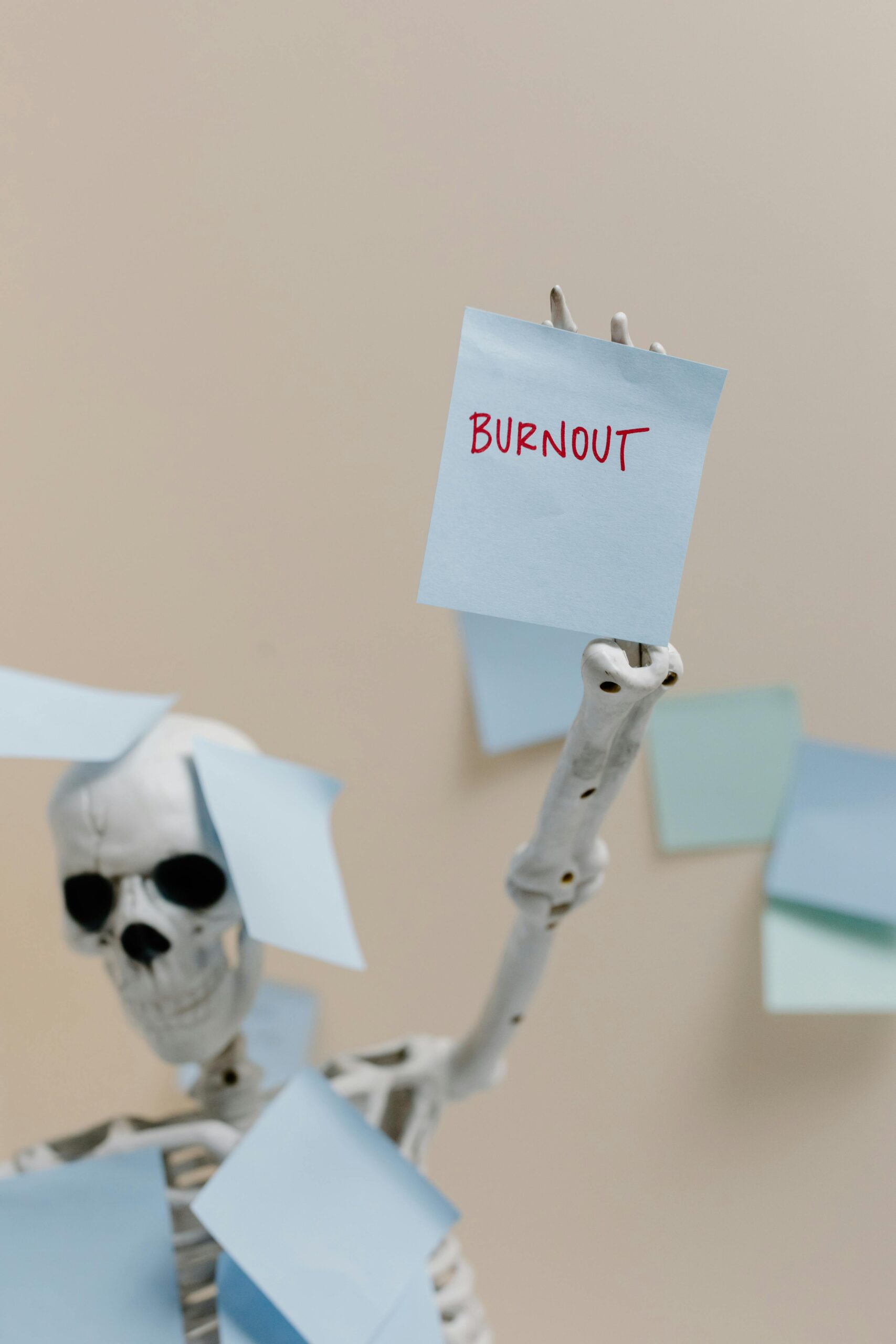
Burnout is a state of emotional, mental, and physical exhaustion caused by chronic stress, often related to work or caregiving roles. It can leave individuals feeling depleted, unmotivated, and detached. Recognizing the early signs of burnout and addressing them promptly can prevent more serious mental health conditions such as depression or anxiety.
Recognizing the Symptoms
Common signs of burnout include persistent fatigue, irritability, decreased performance, and loss of motivation. People may also experience physical symptoms such as headaches, muscle tension, or gastrointestinal issues. Emotionally, burnout can cause cynicism, detachment, and feelings of ineffectiveness.
Causes of Burnout
Burnout develops when prolonged stress overwhelms coping capacity. Factors such as heavy workload, lack of control, unclear expectations, or limited social support contribute to its onset. Healthcare professionals, educators, and caregivers are particularly vulnerable due to high emotional demands.
Strategies for Recovery
Recovery begins with acknowledging burnout and taking steps to reduce stress. This may include setting boundaries at work, delegating tasks, taking breaks, and prioritizing rest. Regular exercise, adequate sleep, and mindfulness practices support emotional recovery. Cognitive-behavioral strategies can help reframe negative thoughts and rebuild a sense of purpose.
Preventing Future Burnout
Preventive measures include balancing responsibilities, nurturing supportive relationships, and engaging in activities that bring joy. Employers can also promote mental well-being by fostering healthy workplace cultures and encouraging open dialogue about stress.
Seek Support
If burnout symptoms persist, professional guidance can help restore balance and prevent further decline. Therapy provides tools for managing stress, improving communication, and strengthening coping mechanisms. For support in addressing burnout in Los Angeles, call (310) 601-9999 or visit www.mentalhealthctr.com.
References
- Maslach, C., & Leiter, M. P. (2016). Understanding burnout. World Psychiatry, 15(2), 103–111.
- Salvagioni, D. A. J., et al. (2017). Burnout and its relationship with mental health. PLoS One, 12(1), e0180188.
- Shanafelt, T. D., et al. (2015). Impact of organizational stress on burnout. Mayo Clinic Proceedings, 90(12), 1600–1613.