
How Trauma Affects the Brain: A Clinical Overview
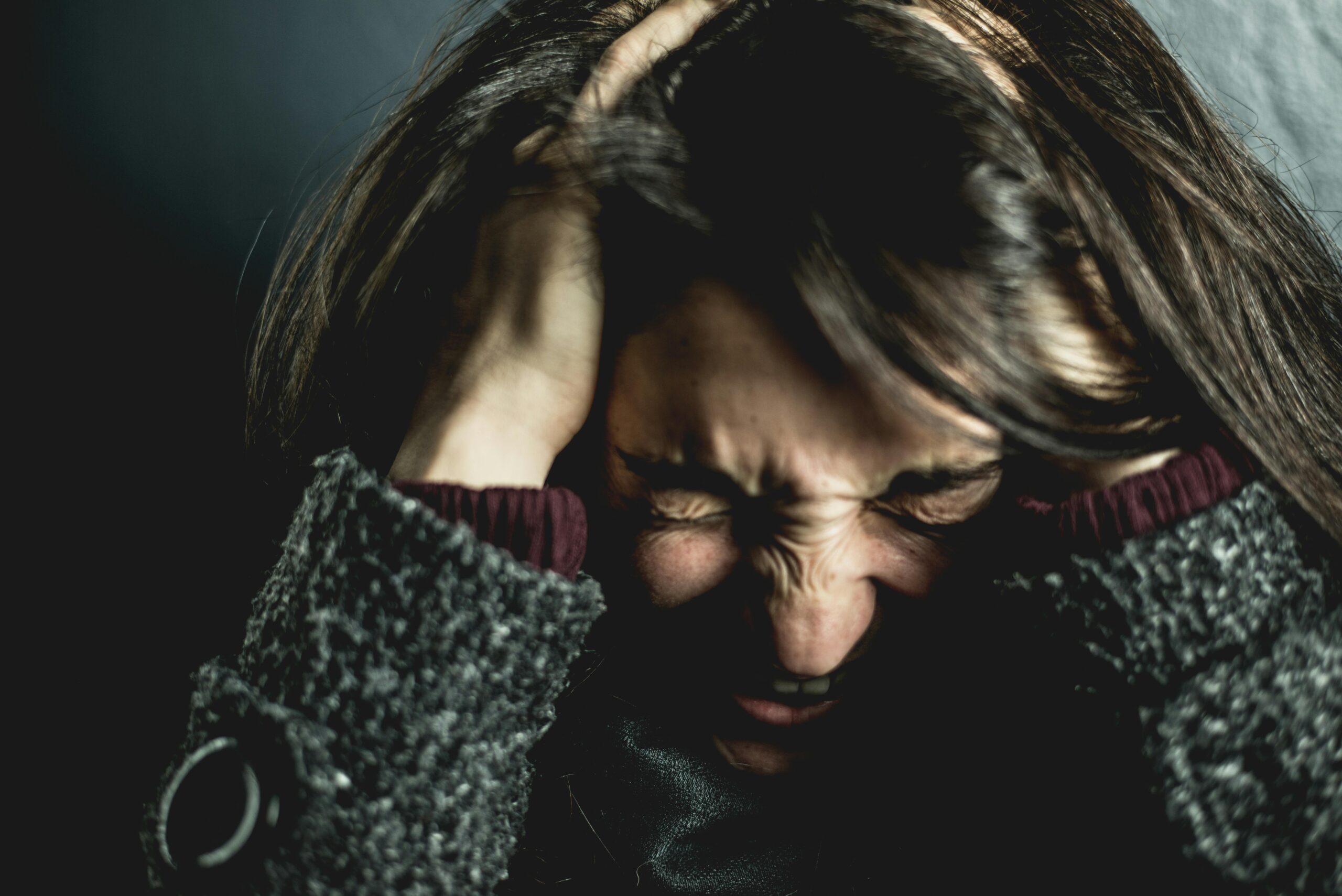
Medically Reviewed by Mark Hrymoc, M.D., Chief Medical Officer, double-board certified in General & Addiction Psychiatry Trauma can leave lasting emotional and psychological effects, but it also has profound impacts on the brain’s structure and function. Whether stemming from a single traumatic event or prolonged exposure to stress, trauma alters neural pathways, disrupts chemical balances, and changes how the brain processes information. Understanding these effects provides important insight into both the symptoms of trauma and the approaches that support recovery. The Brain’s Stress Response System When a person experiences trauma, the brain’s stress response system—the hypothalamic-pituitary-adrenal (HPA) axis—becomes highly activated. This system triggers the release of stress hormones such as cortisol and adrenaline, preparing the body to respond to danger. In acute situations, this response is protective. However, in cases of chronic or repeated trauma, prolonged activation of the HPA axis can dysregulate the body’s stress response, leading to heightened …


Read more

Understanding the Difference Between a Psychiatrist and a Therapist

psychologist or therapist with client

Medically Reviewed by Mark Hrymoc, M.D., Chief Medical Officer, double-board certified in General & Addiction Psychiatry When seeking help for mental health concerns, many people wonder whether they should see a psychiatrist or a therapist. While both play important roles in mental health care, they differ in training, approach, and the types of services they provide. Understanding these differences can help individuals make informed decisions about the kind of support that best meets their needs. What Is a Psychiatrist? A psychiatrist is a medical doctor (M.D. or D.O.) who specializes in diagnosing, treating, and preventing mental health disorders. Psychiatrists complete medical school, followed by a residency in psychiatry, where they gain specialized training in the biological, psychological, and social components of mental illness. This medical background allows them to prescribe medication, order and interpret diagnostic tests, and evaluate the effects of medical conditions on mental health. In addition to medication …

Read more

Addressing Intimacy Issues Through Couples Therapy

couple fighting

Medically Reviewed by Mark Hrymoc, M.D., Chief Medical Officer, double-board certified in General & Addiction Psychiatry Intimacy is a cornerstone of healthy relationships, yet it’s one of the most common areas where couples struggle. Whether due to emotional disconnection, stress, past trauma, or evolving relationship dynamics, intimacy issues can significantly impact satisfaction and closeness between partners. Fortunately, couples therapy—and in some cases, sex therapy—can provide effective pathways to healing. These therapeutic approaches help couples understand the root causes of their challenges, improve communication, and rebuild trust and connection. Understanding Intimacy: More Than Just Physical Connection Intimacy encompasses emotional closeness, physical affection, vulnerability, and shared trust. When intimacy breaks down, it can manifest as a lack of sexual connection, emotional withdrawal, or persistent conflict. Research by Johnson et al. (2021) found that emotional and physical intimacy are deeply interconnected, and difficulties in one area often influence the other. While intimacy issues …

Read more

The Benefits of Nature for Mental Health

man chilling in nature

Medically Reviewed by Mark Hrymoc, M.D., Chief Medical Officer, double-board certified in General & Addiction Psychiatry Spending time in nature has long been considered restorative, but only recently have scientists begun to fully understand how powerful outdoor environments can be for mental health. Whether it’s a walk in the park, a hike in the mountains, or simply sitting under a tree, engaging with natural spaces can lead to measurable improvements in mood, stress reduction, and overall emotional well-being. In a time when anxiety, depression, and burnout are increasingly common, nature offers a low-cost, accessible, and evidence-based way to support psychological health. Exposure to Nature Reduces Stress and Anxiety One of the most well-documented benefits of nature is its ability to reduce stress. Time spent in green spaces is associated with lower levels of cortisol, the body’s primary stress hormone. A 2010 study by Park et al. found that individuals who …

Read more

The Role of Sleep in Managing Depression

Medically Reviewed by Mark Hrymoc, M.D., Chief Medical Officer, double-board certified in General & Addiction Psychiatry Sleep and depression are closely linked, with each significantly influencing the other. Poor sleep can worsen depressive symptoms, while depression can interfere with the ability to fall asleep or stay asleep. Understanding how sleep and mood interact offers powerful insights for managing depression. When sleep is optimized, it can serve as a foundational element in emotional regulation and psychological recovery. Conversely, chronic sleep disturbances can undermine even the most effective treatment plans, making sleep hygiene a critical component of mental health care. How Depression Affects Sleep Patterns Depression often disrupts the body’s natural sleep-wake cycle, or circadian rhythm. People with depression may struggle with insomnia, waking frequently during the night, or experiencing early-morning awakenings that leave them feeling unrested. Others may experience hypersomnia, or excessive sleeping, without feeling refreshed. According to the National Sleep …

Read more

Verify Approval for www.mentalhealthctr.com