How Perfectionism Can Contribute to Anxiety and Burnout

Medically Reviewed by Mark Hrymoc, M.D., Chief Medical Officer, double-board certified in General & Addiction Psychiatry Perfectionism is often praised in competitive environments. High standards, attention to detail, and a strong work ethic are commonly associated with success in school, careers, and creative pursuits. However, when the drive to achieve flawless outcomes becomes rigid or self-critical, perfectionism can begin to harm mental health. Many high achievers experience persistent anxiety, chronic stress, and eventual burnout as a result of perfectionistic thinking patterns. Understanding the relationship between perfectionism, anxiety, and burnout is important because these patterns often develop gradually and may be difficult to recognize. What begins as motivation for excellence can slowly transform into a cycle of pressure, fear of failure, and emotional exhaustion. Addressing perfectionism in a thoughtful and evidence-based way can help individuals maintain high standards while protecting their mental well-being. Understanding Perfectionism as a Psychological Pattern Perfectionism is …

Read more

When Anxiety Becomes Debilitating: Signs It’s Time for Professional Help

Medically Reviewed by Mark Hrymoc, M.D., Chief Medical Officer, double-board certified in General & Addiction Psychiatry Anxiety is a normal human response to stress, uncertainty, and perceived threat. In many situations, it serves a protective purpose by increasing alertness and motivating problem-solving. However, when anxiety becomes persistent, overwhelming, or disabling, it can significantly interfere with daily life. Severe anxiety can limit relationships, disrupt work or school, impair sleep, and reduce overall quality of life. Recognizing when anxiety has crossed the line from manageable to debilitating is a critical step toward getting effective support and restoring functioning. Understanding the Spectrum of Anxiety Anxiety exists on a continuum. Mild anxiety may appear as nervousness before a presentation or concern about an upcoming decision. Moderate anxiety can involve frequent worry, tension, or restlessness that is uncomfortable but still manageable. Debilitating anxiety occurs when symptoms are intense, persistent, and interfere with basic activities or …

Read more

The Difference Between Acute Stress and Chronic Stress

Medically Reviewed by Mark Hrymoc, M.D., Chief Medical Officer, double-board certified in General & Addiction Psychiatry Stress is a normal part of life and, in many situations, it can even be helpful. It prepares the body to respond to challenges, solve problems, and stay alert in demanding situations. However, not all stress is the same. Understanding the difference between acute stress and chronic stress is essential for recognizing when stress is adaptive and when it begins to undermine mental and physical health. While short-term stress can be manageable and temporary, ongoing stress can have serious consequences if left unaddressed. What Stress Is and How the Body Responds Stress is the body’s response to perceived demands or threats. When a stressor is detected, the brain activates the hypothalamic-pituitary-adrenal (HPA) axis, releasing stress hormones such as cortisol and adrenaline. These hormones increase heart rate, sharpen focus, and mobilize energy. This response is …

Read more

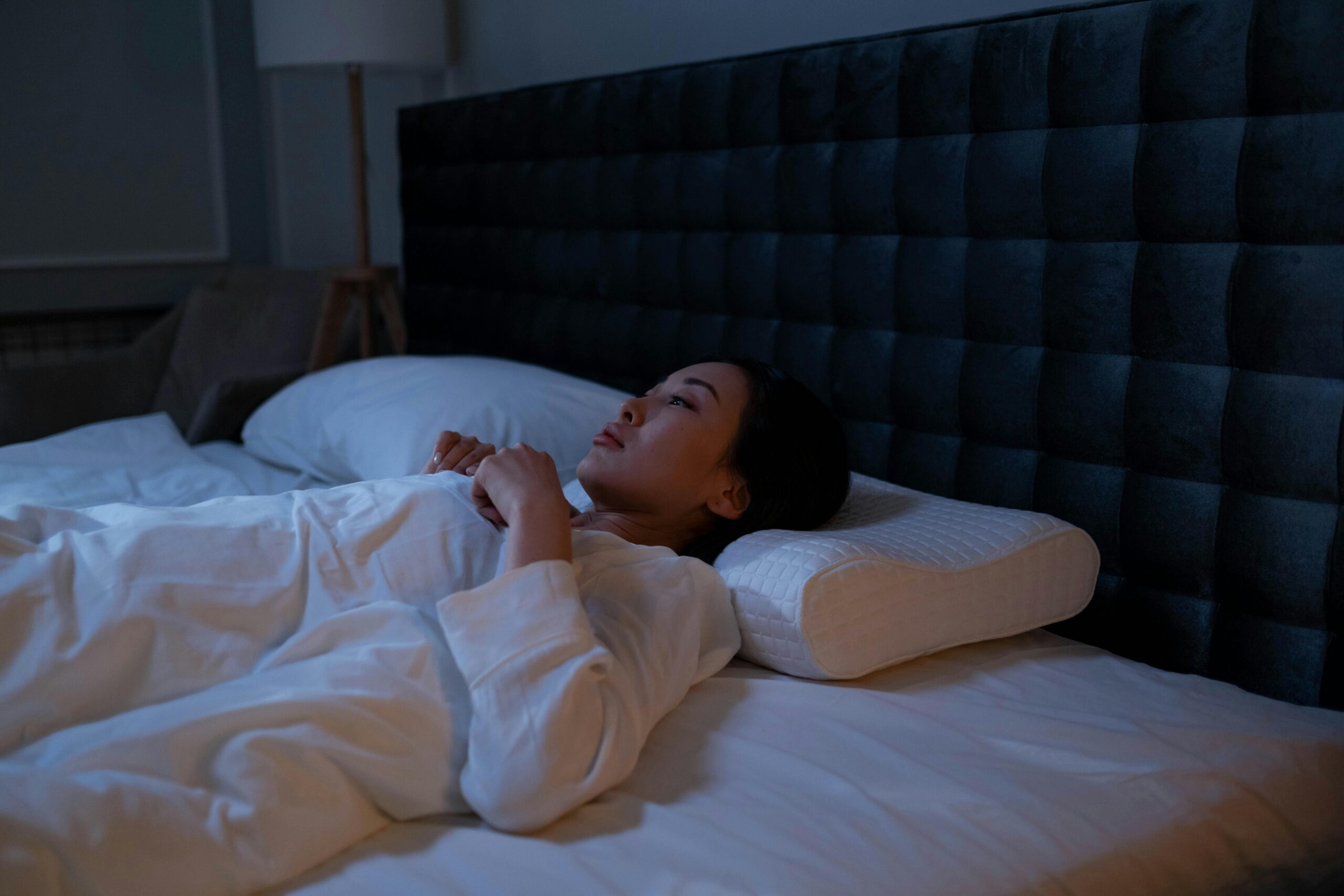
The Link Between Sleep Deprivation and Emotional Regulation

Medically Reviewed by Mark Hrymoc, M.D., Chief Medical Officer, double-board certified in General & Addiction Psychiatry Sleep plays a foundational role in mental health, yet modern life often deprioritizes it. Chronic sleep deprivation disrupts emotional regulation, impairs judgment, and increases vulnerability to anxiety and depression. Although most adults need seven to nine hours of quality sleep, surveys suggest that nearly one in three Americans consistently fall short. Understanding how lack of sleep affects the brain and learning strategies to improve rest can have profound benefits for emotional well-being. How Sleep Impacts Emotional Health Sleep is when the brain restores its balance and consolidates emotional experiences. During deep sleep and REM cycles, neural networks reorganize, allowing individuals to process stress, regulate mood, and integrate memories. When sleep is insufficient, this system falters. Neuroimaging studies show that sleep deprivation causes the amygdala—the brain’s center for processing emotions—to become up to 60% more …

Read more

The Benefits of Exercise for Managing Anxiety and Depression

Medically Reviewed by Mark Hrymoc, M.D., Chief Medical Officer, double-board certified in General & Addiction Psychiatry Exercise is one of the most effective nonpharmacologic treatments for anxiety and depression, offering a broad range of psychological and biological benefits. While often discussed in the context of physical health, regular movement directly supports the brain’s ability to regulate mood, process emotions, and build resilience. For individuals living with anxiety or depression, incorporating consistent exercise can help reduce symptom severity, improve sleep, enhance self-esteem, and support long-term recovery. The Science Behind Exercise and Mood Exercise influences multiple biological systems that govern emotional health. Physical activity stimulates the release of endorphins—natural chemicals that produce feelings of pleasure and reduce the perception of pain. It also increases serotonin, dopamine, and norepinephrine, neurotransmitters that regulate motivation, concentration, and mood. These chemical shifts can create a sense of calm and well-being, often referred to as the “exercise …

Read more

Verify Approval for www.mentalhealthctr.com